
WISDOM COLLECTIVE
CLARA Healing Institute’s Wisdom Collective branch refers to our curated group of interdisciplinary professionals offering mental health training and education for health professionals, corporations, and the broader community.
FEATURED eCOURSE
-
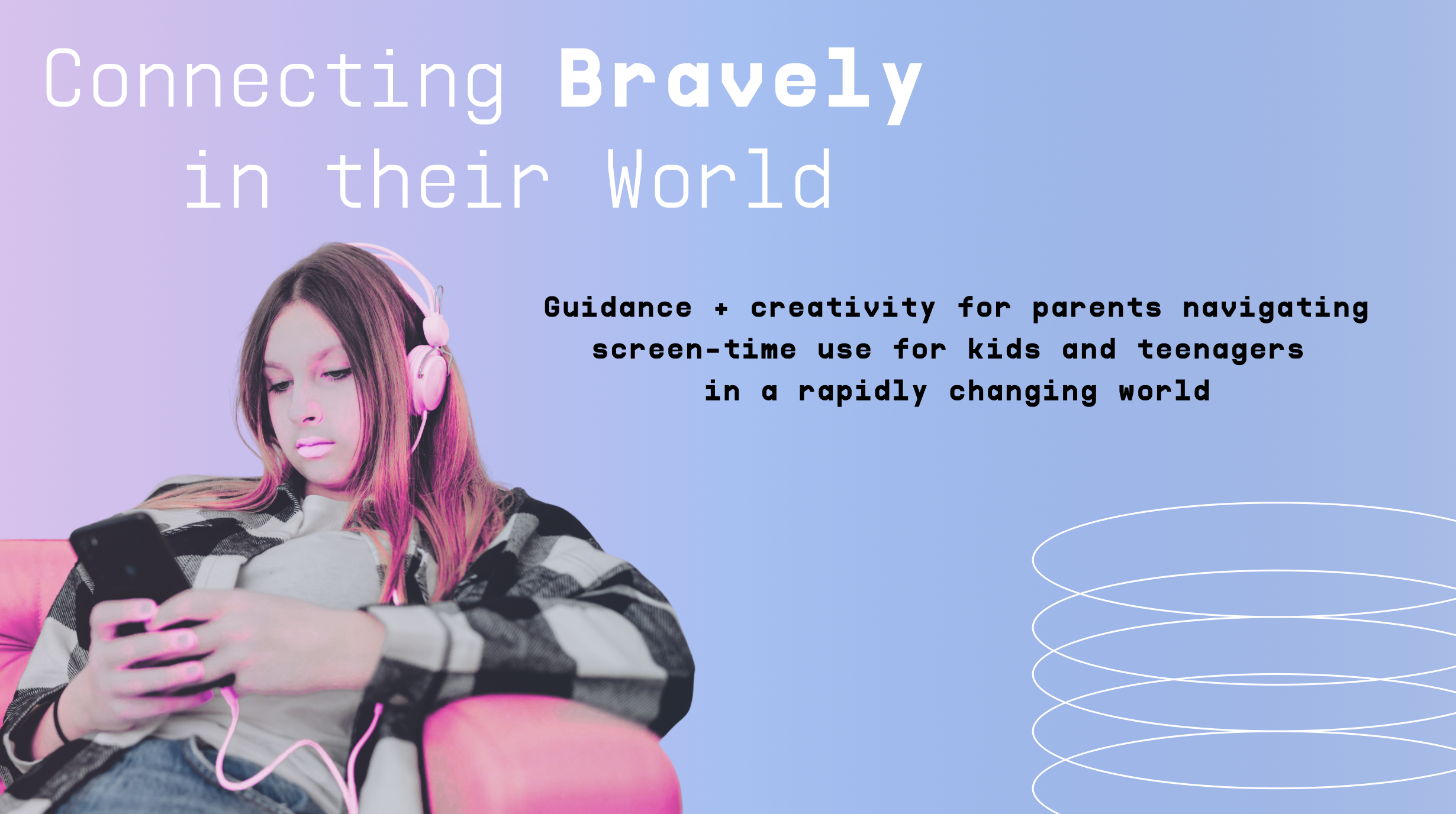
In this accessible and informative course, Dr. Christopher Belkofer, PhD, LPC, ATR-BC will walk you through:
Dr. B’s ABC’s of parenting in the digital world
The evolution of digital media into participatory culture
Identity and relational development in the digital media space
The internet’s impact of child and adolescent development
How to set limits effectively and consistently
Connecting to your own creativity to meet your child where they are
Kristin Belkofer, MS, LPC also jumps in with bonus lessons on navigating online friendships and communities, and helping young people develop the discernment and intuition necessary to engage with the digital world safely.
This course is for anyone who cares about the social and emotional health of kids and teens, but would be especially helpful for parents, caregivers, teachers, mentors, and healthcare professionals.*
*Attention clinicians: since this course is designed for a general audience, it does not currently offer CEUs for mental health professionals. However- stay tuned for an accredited continuing education edition with expanded content for clinical application.
UPCOMING WISDOM COLLECTIVE OFFERINGS
FALL CONTINUING EDUCATION SERIES
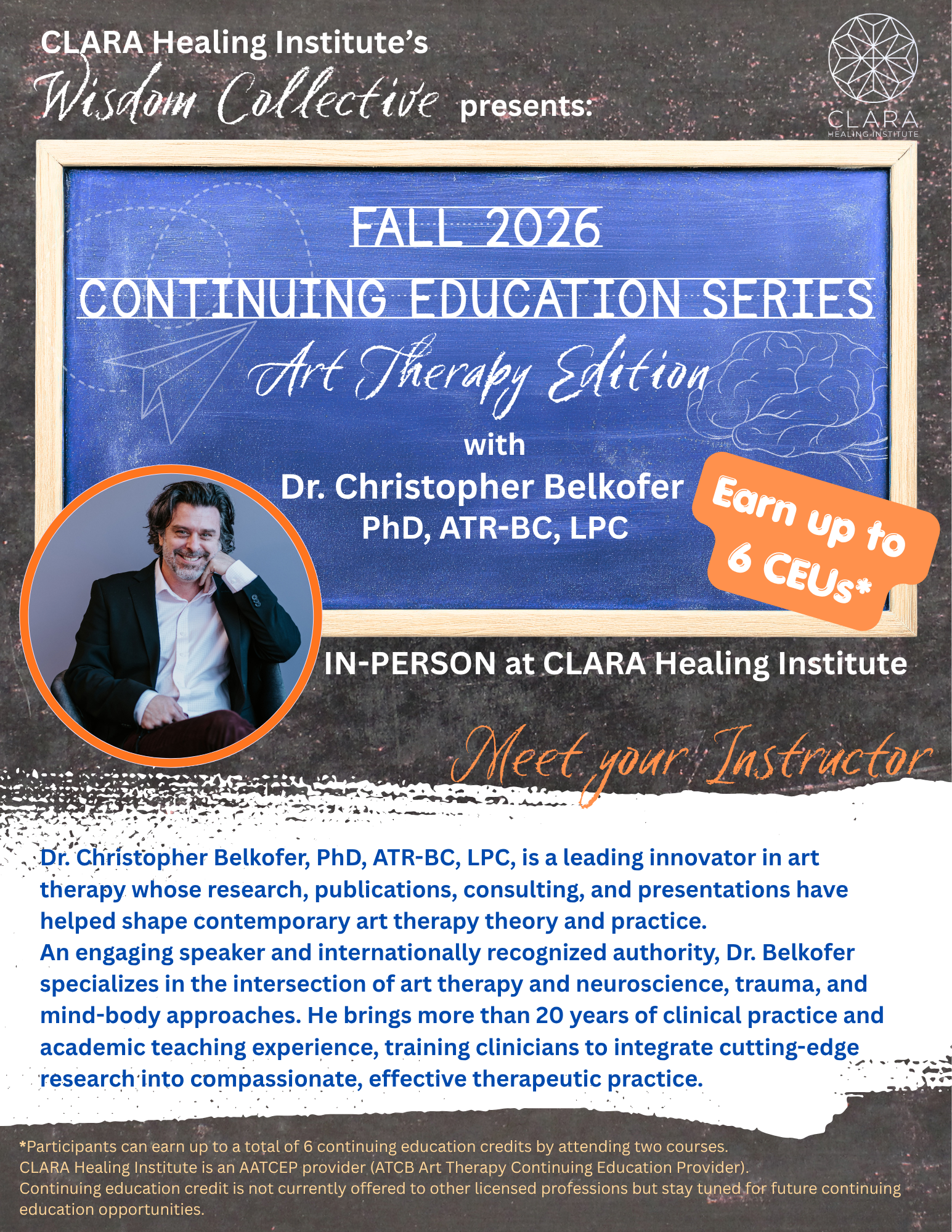
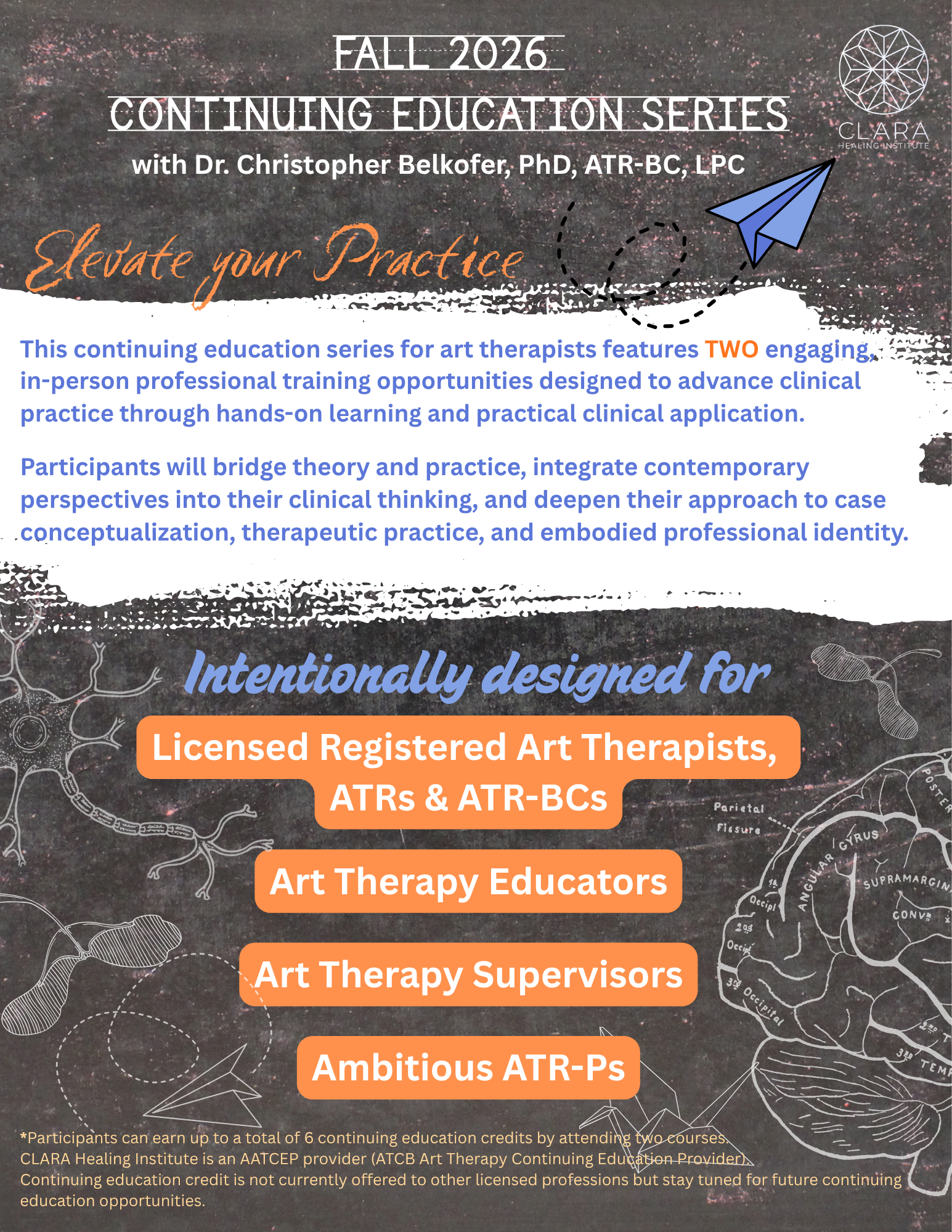
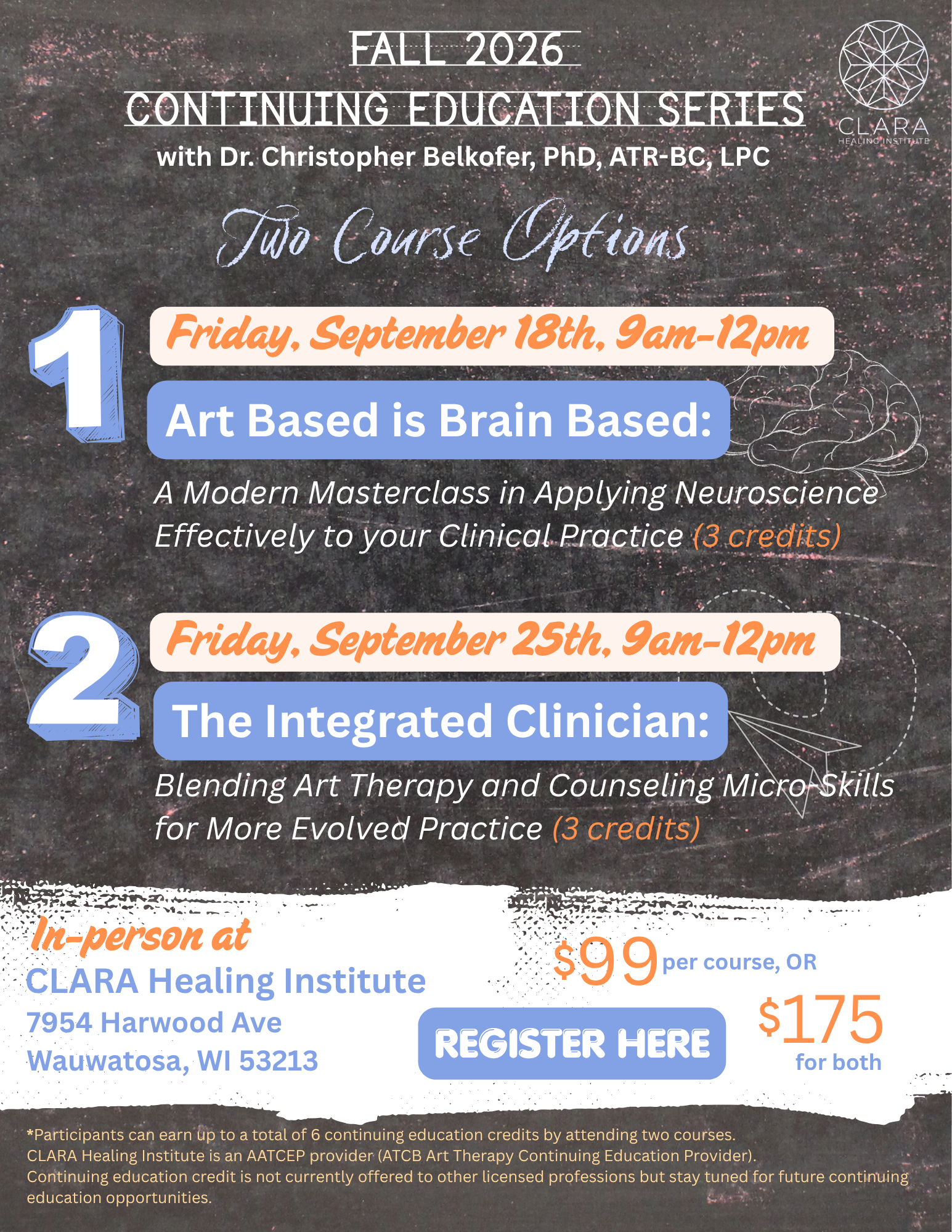
The Fall Continuing Education Series offers two in-person, hands-on professional training opportunities to advance clinical practice, both creatively and practically, located at the CLARA Healing Institute library space. Attendees will incorporate theory into practice, expand therapeutic approaches, and enhance their ability to work effectively with clients.
Facilitated by Dr. Christopher Belkofer, PhD, ATR-BC, LPC, an Art Therapy innovator whose research, writings, advising and presentations have shaped contemporary art therapy theory and practice. Dr. Belkofer is an engaging speaker and recognized international authority on art therapy and neuroscience, trauma, and mind-body approaches with over 20+ years of clinical and academic teaching experience.
-
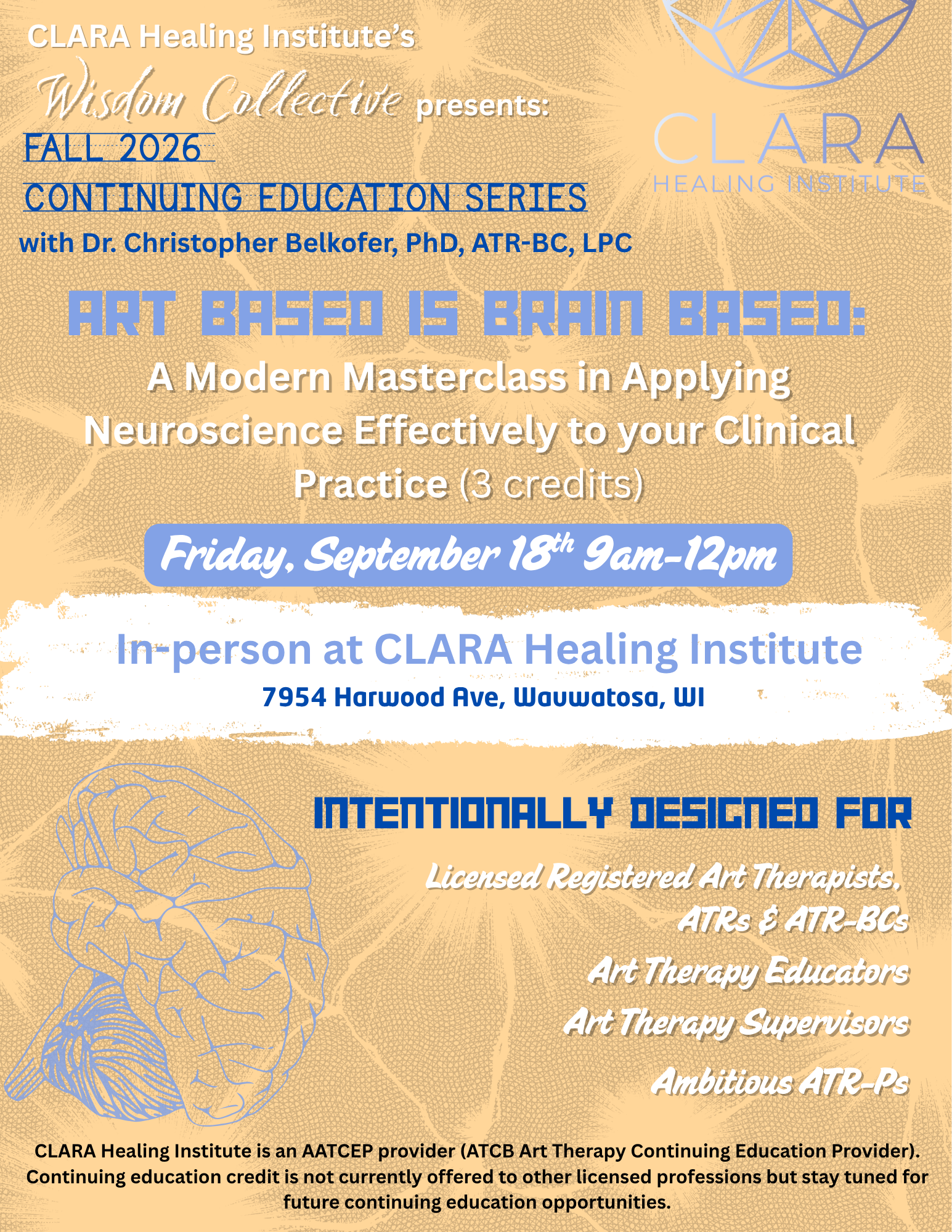
Neuroscience continues to shape the future of mental health treatment, offering exciting opportunities to better understand the felt sense of emotions, attachment, trauma, memory, creativity, and healing. Yet for many practitioners, neuroscience can feel overly technical, jargon-heavy, or disconnected from the relational heart of therapy. Many art therapists feel that their training only glossed over neuroscience, and see the need for updated conceptual frameworks and brain-based interventions. Additionally, art therapists want to ensure that they can translate this learning directly to their clients in a meaningful and effective way, while still keeping the creative process at the center of their practice.
In this course, Dr. Christopher Belkofer, PhD, ATR-BC, LPC will draw from 20 years of clinical work, his seminal research in art therapy using quantitative EEG measures, and 17 years of training graduate students with neuroscience principles at the core of their practice. The course is designed for art therapists across all stages of professional development, from ATR-Ps building confidence in early clinical work to seasoned clinicians, supervisors, and art therapy educators seeking to strengthen their neuroscience-informed practice. Whether participants are looking to deepen clinical effectiveness, refresh outdated training, or expand their therapeutic framework, this course offers practical and accessible applications of contemporary neuroscience within art therapy.
Participants will leave with increased confidence in applying neuroscience-informed thinking to treatment planning, goal development, case conceptualization, and intervention design. By integrating contemporary neuroscience with art-based clinical practice, attendees will strengthen their ability to support clients with greater intentionality, insight, and effectiveness.
-
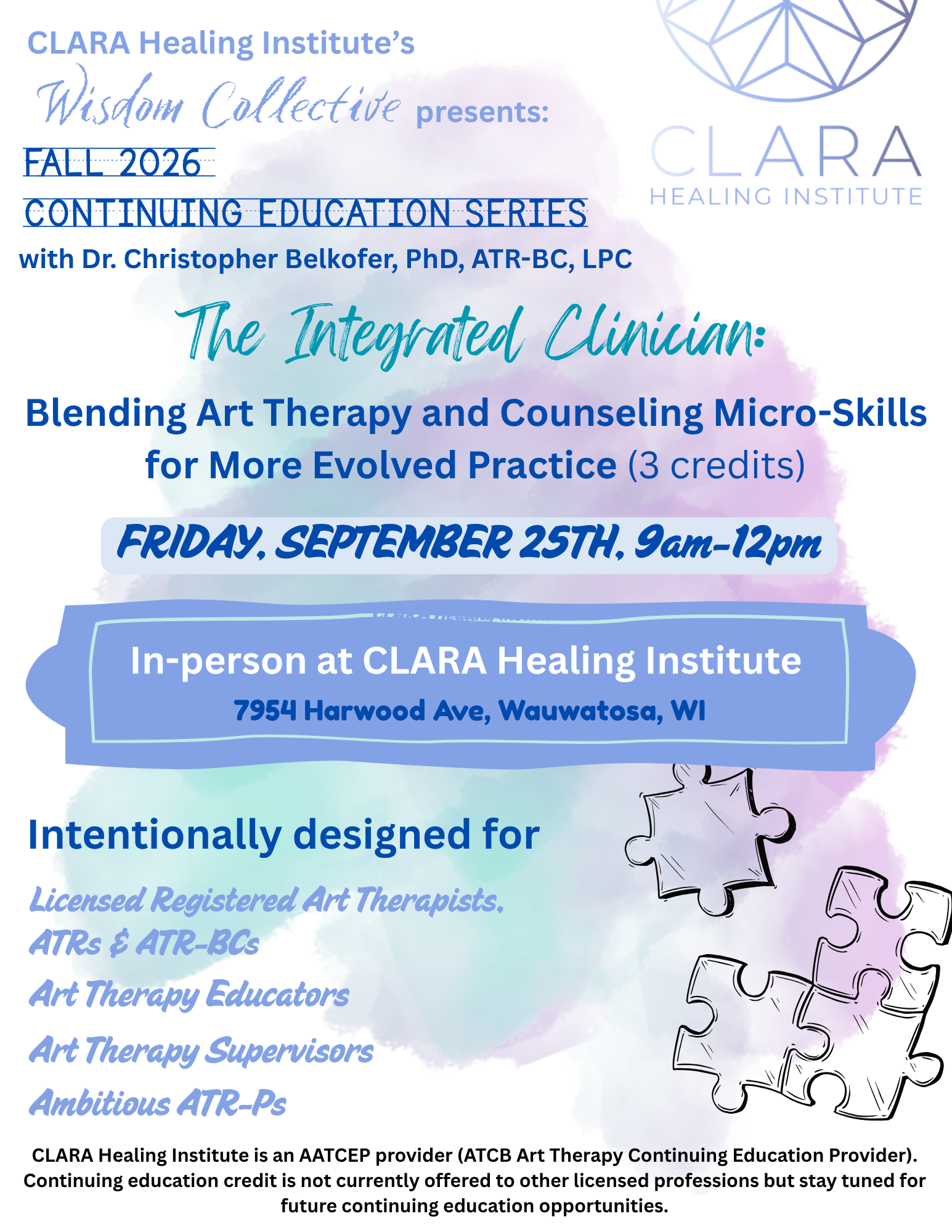
Art Therapy training has long been shaped by polarities that no longer serve the profession. In fact, these false divides can hold us back from the impactful work made possible by our unique, naturally integrated skill set.
As a relatively young profession within the therapeutic landscape, Art Therapy continues to grapple with questions of professional identity and owning our expertise. Graduate programs can unintentionally limit students' professional mindset and capacity for growth by framing development as a series of choices:
Are you an artist or a clinician?
Do you practice "art as therapy" or "art within therapy"?
Are you clinical or community-based?
These "either/or" narratives often continue after graduation, as professionals struggle to identify as either counselors or art therapists. The mental health profession can inadvertently reinforce these divides by emphasizing distinct professional identities in response to the realities of licensure, insurance reimbursement, and workforce demands. The result can be role confusion, a professional "double life," and difficulty clearly defining the unique value of Art Therapy to clients, colleagues, and the broader healthcare community. More importantly, these false divisions can unnecessarily constrain our clinical thinking, limiting opportunities to draw on the full range of skills our clients may benefit from.
This course breaks down these divides by identifying the micro-skills of both counseling and Art Therapy and demonstrating how they can be intentionally integrated without losing the unique strengths of either discipline. Using these micro-skills as a practical framework, participants will discover the flexibility and broad application of Art Therapy while embracing the reality that effective clinicians are multidimensional professionals not confined by a false dichotomy.
Drawing on more than twenty years of experience as a scholar, educator, and practicing clinician, Dr. Christopher Belkofer will help participants elevate their practice and confidently own their integrated expertise. By weaving together diverse theories and clinical approaches with creativity and open-mindedness, participants will develop a framework that is clinically sound, art-based, and uniquely their own. They will learn to operationalize, articulate, and communicate the many skills they already use every day, but may have struggled to name. Rather than worrying about others who claim to "use art therapy" after minimal training, participants will leave with the language, confidence, and conceptual framework to clearly differentiate and advocate for their professional expertise in a time when their skills are needed more than ever.
Neuroscience continues to shape the future of mental health treatment, offering exciting opportunities to better understand the felt sense of emotions, attachment, trauma, memory, creativity, and healing. Yet for many practitioners, neuroscience can feel overly technical, jargon-heavy, or disconnected from the relational heart of therapy. Many art therapists feel that their training only glossed over neuroscience, and see the need for updated conceptual frameworks and brain-based interventions. Additionally, art therapists want to ensure that they can translate this learning directly to their clients in a meaningful and effective way, while still keeping the creative process at the center of their practice.
In this course, Dr. Christopher Belkofer, PhD, ATR-BC, LPC will draw from 20 years of clinical work, his seminal research in art therapy using quantitative EEG measures, and 17 years of training graduate students with neuroscience principles at the core of their practice. The course is designed for art therapists across all stages of professional development, from ATR-Ps building confidence in early clinical work to seasoned clinicians, supervisors, and art therapy educators seeking to strengthen their neuroscience-informed practice. Whether participants are looking to deepen clinical effectiveness, refresh outdated training, or expand their therapeutic framework, this course offers practical and accessible applications of contemporary neuroscience within art therapy.
Participants will leave with increased confidence in applying neuroscience-informed thinking to treatment planning, goal development, case conceptualization, and intervention design. By integrating contemporary neuroscience with art-based clinical practice, attendees will strengthen their ability to support clients with greater intentionality, insight, and effectiveness. The course emphasizes practical integration rather than theory alone, helping clinicians translate current brain-based research into meaningful, relationship-centered art therapy interventions.
Art Therapy training has long been shaped by polarities that no longer serve the profession. In fact, these false divides can hold us back from the impactful work made possible by our unique, naturally integrated skill set.
As a relatively young profession within the therapeutic landscape, Art Therapy continues to grapple with questions of professional identity and owning our expertise. Graduate programs can unintentionally limit students' professional mindset and capacity for growth by framing development as a series of choices:
Are you an artist or a clinician?
Do you practice "art as therapy" or "art within therapy"?
Are you clinical or community-based?
These "either/or" narratives often continue after graduation, as professionals struggle to identify as either counselors or art therapists. The mental health profession can inadvertently reinforce these divides by emphasizing distinct professional identities in response to the realities of licensure, insurance reimbursement, and workforce demands. The result can be role confusion, a professional "double life," and difficulty clearly defining the unique value of Art Therapy to clients, colleagues, and the broader healthcare community. More importantly, these false divisions can unnecessarily constrain our clinical thinking, limiting opportunities to draw on the full range of skills our clients may benefit from.
This course breaks down these divides by identifying the micro-skills of both counseling and Art Therapy and demonstrating how they can be intentionally integrated without losing the unique strengths of either discipline. Using these micro-skills as a practical framework, participants will discover the flexibility and broad application of Art Therapy while embracing the reality that effective clinicians are multidimensional professionals not confined by a false dichotomy.
Drawing on more than twenty years of experience as a scholar, educator, and practicing clinician, Dr. Christopher Belkofer will help participants elevate their practice and confidently own their integrated expertise. By weaving together diverse theories and clinical approaches with creativity and open-mindedness, participants will develop a framework that is clinically sound, art-based, and uniquely their own. They will learn to operationalize, articulate, and communicate the many skills they already use every day, but may have struggled to name. Rather than worrying about others who claim to "use art therapy" after minimal training, participants will leave with the language, confidence, and conceptual framework to clearly differentiate and advocate for their professional expertise in a time when their skills are needed more than ever.